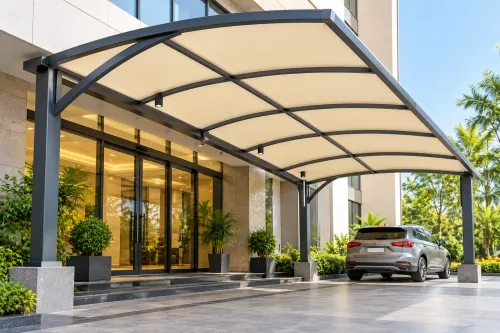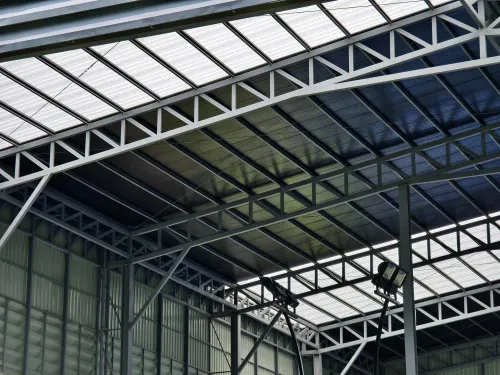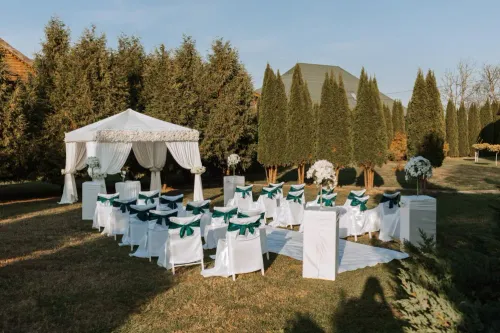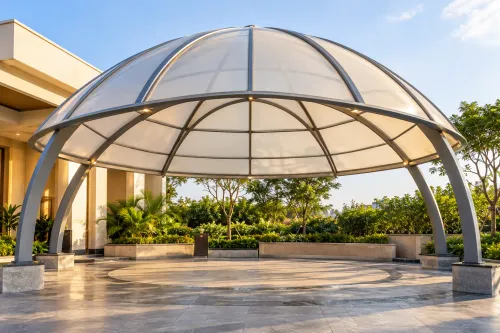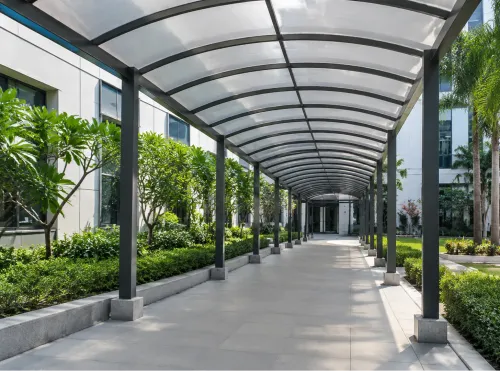
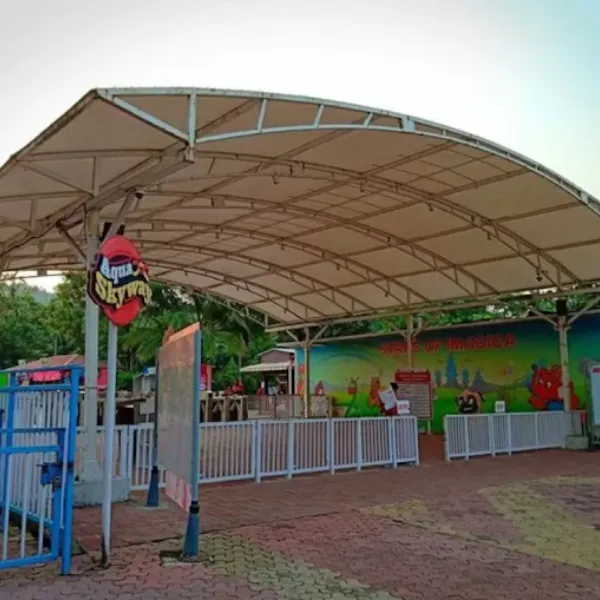
Modern construction projects demand solutions that are durable, visually appealing, and adaptable to different environments. This is where a modular tensile structure service has become a preferred choice for commercial, industrial, institutional, and public infrastructure developments. These structures combine architectural elegance with practical functionality, making them suitable for everything from entrance canopies to large outdoor gathering spaces.
As infrastructure continues to expand across Nagpur and Maharashtra, property owners, architects, and contractors are increasingly considering modular tensile structures because they offer flexibility without compromising strength.
What Is a Modular Tensile Structure?
A modular tensile structure is a prefabricated framework covered with high-performance tensile fabric. Unlike traditional roofing systems that often require extensive construction time, modular systems are engineered for quicker installation and can be customized according to the project's size and purpose.
These structures are commonly used for:
- Commercial complexes
- Shopping malls
- Hotels and resorts
- Educational institutions
- Sports facilities
- Exhibition areas
- Industrial campuses
- Public infrastructure
- Residential developments
Their modular design also makes future expansion much easier than many conventional construction methods.
Why Modular Structures Are Becoming More Popular
Businesses today look for infrastructure that provides long-term value while minimizing project delays.
Some of the reasons modular tensile structures are gaining popularity include:
- Faster installation timelines
- Flexible architectural designs
- Efficient use of available space
- Lightweight yet durable construction
- Lower maintenance requirements
- Excellent resistance to weather conditions
- Attractive modern appearance
These benefits make them suitable for projects ranging from small commercial installations to large institutional developments.
Factors to Evaluate Before Choosing a Service Provider
Selecting the right modular tensile structure service involves more than comparing quotations.
Before making a decision, consider the following:
- Experience with similar projects
- Structural engineering capabilities
- Material quality
- Fabric membrane specifications
- Steel fabrication standards
- Installation expertise
- Design customization options
- Project completion timelines
A provider that can explain the engineering process and material selection often delivers better long-term results than one focusing only on pricing.
Material Quality Makes a Significant Difference
The lifespan of a tensile structure depends heavily on the materials used during fabrication.
High-quality projects generally include:
- Galvanized or coated structural steel
- Premium tensile membranes
- Corrosion-resistant fasteners
- Durable connection systems
- Proper drainage design
Investing in quality materials reduces maintenance costs and increases the structure's operational life.
Common Applications Across Industries
One reason modular tensile structures are widely adopted is their versatility.
Retail businesses use them for entrance covers and outdoor customer spaces.
Educational institutions install them over assembly areas and campus walkways.
Hotels create elegant outdoor dining spaces, while industrial facilities use them to protect loading zones and operational areas.
Government infrastructure projects also benefit from modular systems that combine aesthetics with long-term durability.
Questions Worth Asking Before Installation
Before finalizing your project, ask your service provider:
- Is the structure designed specifically for my site?
- What wind and load standards are considered?
- Which membrane material is recommended?
- What maintenance schedule is required?
- Can the structure be expanded in the future?
- What warranty or quality assurance is provided?
Clear answers to these questions help ensure that the finished structure meets operational expectations.
The Importance of Professional Engineering
Although tensile structures appear lightweight, they require detailed structural calculations and precision fabrication.
Proper engineering considers foundation design, load distribution, wind resistance, drainage, and membrane tension. These factors determine the structure's safety and long-term performance.
Businesses planning modular tensile installations in Nagpur frequently evaluate companies such as Ditya Tensile And Fabrication, known for delivering customized structural solutions across commercial, industrial, hospitality, and institutional sectors. Their work available through dityatensile.com demonstrates how tailored engineering creates reliable structures suited to different project requirements.
A modular tensile structure is not simply a roofing solution. It is an investment in functionality, architectural value, and future-ready infrastructure that supports changing business needs while maintaining an impressive visual presence.
Keywords