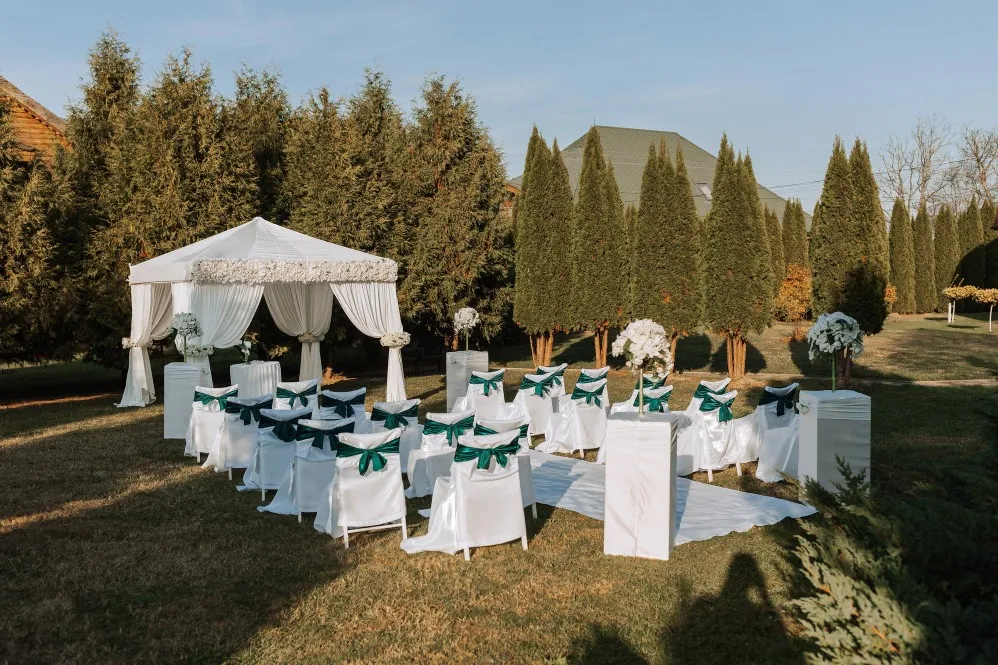
Choosing a Tent House solution for an event requires more thought than selecting a canopy based on appearance. The structure influences guest comfort, circulation, seating arrangements, weather protection, service access, lighting possibilities, and the overall experience of the venue.
In Nagpur, tent structures may be used for celebrations, community gatherings, corporate functions, temporary hospitality spaces, exhibitions, ceremonies, or institutional events. The most suitable configuration depends on the event rather than a standard setup.
Start With the Usable Area
Before selecting the tent size, determine how much of the site can actually be used.
Trees, boundary walls, landscaping, electrical installations, pathways, uneven ground, building entrances, parking movement, and service zones may reduce available space.
Measurements should therefore reflect usable dimensions rather than total plot dimensions.
Estimate Occupancy Realistically
Guest count alone does not determine space requirements.
Two events with 200 guests may need completely different layouts. One may use theatre-style seating, while another may include dining tables, a stage, buffet counters, decorative elements, and circulation aisles.
Consider space for:
- Guest seating
- Stage arrangements
- Food service
- Entry routes
- Exit routes
- Equipment
- Decorative installations
- Service movement
- Emergency access
Comfortable circulation is particularly important when attendance is high.
Consider Weather Exposure
Temporary covered spaces need to respond to outdoor conditions.
Shade becomes important for daytime functions. Seasonal rainfall requires attention to roof coverage and water discharge. Wind exposure may also influence structural requirements.
Side coverings can provide additional protection in some situations, but they may affect ventilation. The appropriate enclosure level should therefore reflect expected conditions and event use.
Check Structural Stability
A tent may appear lightweight, but structural safety should never be treated casually.
Supporting members, anchoring, connections, ground conditions, roof material, and overall geometry need to suit the installation.
Temporary structures should also be positioned away from hazards or unsuitable surfaces. Larger event installations may require additional planning based on site conditions and local requirements.
Plan Entry Routes Carefully
Guests should be able to enter the covered space without crossing service routes or congested areas.
For large events, entry design can influence the entire layout. Separate access for catering staff, equipment, or event operations may help reduce disruption.
The structure should also avoid blocking permanent entrances required by the property.
Coordinate Utilities Early
Lighting, fans, audio equipment, decorative fixtures, catering systems, and other event infrastructure can affect the structural layout.
Waiting until the tent is installed before considering utilities may create unnecessary cables, awkward fixture positions, or operational difficulties.
Coordination before installation makes the space easier to manage.
Evaluate the Provider Beyond Appearance
Photos of previous projects can be useful, but provider evaluation should also cover practical capability.
Ask about site measurement, structural configuration, installation process, material condition, timelines, dismantling arrangements, and responsibilities during the project.
Ditya Tensile & Fabrication serves varied structural requirements in Nagpur, including customised fabricated solutions suited to property and project conditions. For tent-related requirements, understanding the site's intended use before finalising the configuration can help avoid common planning problems.
The right Tent House arrangement should support the event rather than compete with it. Adequate usable space, sensible circulation, dependable structural support, weather planning, and coordinated utilities create a setting where organisers can focus on the function itself.
Keywords