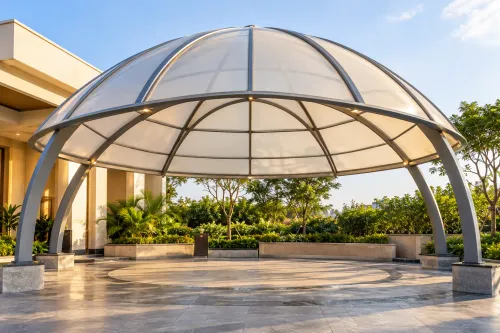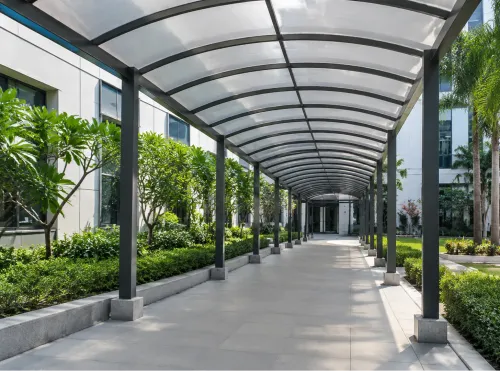
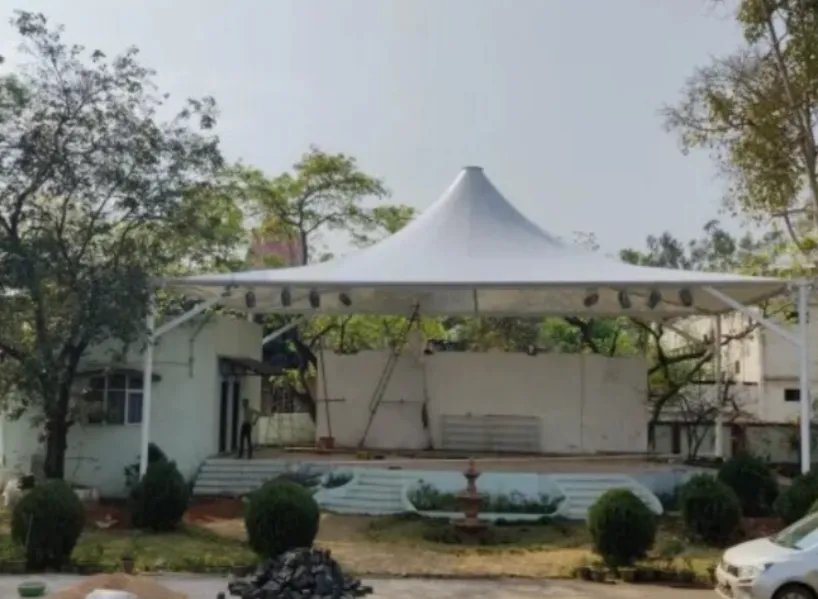
Modern construction is no longer limited to conventional flat-roof buildings. Architects, developers, and infrastructure planners are increasingly exploring innovative structural designs that combine aesthetics with practical performance. One solution that continues to gain popularity is the dome structure.
Recognised for its distinctive appearance and efficient load distribution, a dome can serve both decorative and functional purposes across a wide range of industries. From exhibition venues to warehouses and educational campuses, these structures offer durability, spacious interiors, and impressive visual appeal.
What Makes a Dome Structure Different?
A dome structure is designed with a curved framework that distributes structural loads evenly across the entire surface. This engineering approach allows the structure to span large areas with fewer internal supports, creating open and unobstructed spaces.
Unlike traditional roofing systems that rely heavily on multiple columns, domes maximise usable floor space while maintaining excellent structural stability.
They are commonly used for:
- Exhibition halls
- Event venues
- Auditoriums
- Sports facilities
- Warehouses
- Industrial units
- Educational institutions
- Religious structures
- Public gathering spaces
Their versatility makes them suitable for projects of varying sizes and purposes.
Advantages of Dome Structures
The growing demand for dome structures is driven by several practical advantages.
Some of the most significant benefits include:
- Efficient load distribution
- Large column-free interiors
- Modern architectural appearance
- High structural strength
- Faster construction compared to certain conventional systems
- Better wind resistance
- Long operational life
- Flexible design possibilities
These advantages allow businesses and institutions to create functional spaces while maintaining attractive architectural standards.
Suitable for Diverse Industries
A dome structure adapts well to different operational requirements.
Industrial companies often use domes for storage facilities where uninterrupted floor space improves operational efficiency.
Educational institutions may install domes as multipurpose halls capable of accommodating cultural events, examinations, and sports activities.
Hotels and resorts can create unique event venues that stand out visually while offering comfortable indoor environments.
Government infrastructure projects also benefit from durable public gathering spaces designed for long-term use.
Material Selection Plays an Important Role
The quality of construction materials directly affects the performance and lifespan of a dome.
A reliable project generally incorporates:
- Structural steel framework
- Corrosion-resistant coatings
- Premium roofing materials
- Precision fabrication
- Strong foundation systems
- Efficient drainage design
Selecting quality materials reduces maintenance requirements and improves long-term reliability.
Design Considerations Before Construction
Every dome should be designed according to its intended use rather than following a generic template.
Important planning considerations include:
- Required floor area
- Roof height
- Ventilation needs
- Lighting requirements
- Wind load
- Rainwater drainage
- Future expansion
- Local environmental conditions
Professional engineering ensures these factors are carefully integrated into the final design.
Maintenance and Longevity
Although dome structures are designed for durability, regular inspections help maintain their performance.
Property owners should periodically:
- Inspect structural joints.
- Check protective coatings.
- Clean roofing surfaces.
- Examine drainage systems.
- Review fasteners after severe weather.
Routine maintenance significantly extends the lifespan of the installation.
Working with Experienced Fabrication Specialists
Because dome structures require specialised engineering and precision fabrication, selecting an experienced provider is essential.
Commercial and industrial clients in Nagpur frequently explore companies like Ditya Tensile And Fabrication, known for designing customised structural solutions that meet project-specific requirements. Information available on dityatensile.com reflects their experience across industrial, institutional, and commercial infrastructure projects where structural integrity and architectural quality are equally important.
A well-designed dome structure offers much more than an eye-catching appearance. It creates spacious interiors, improves structural efficiency, supports multiple applications, and provides a durable solution for organisations seeking long-term value from their construction investment.
Keywords